

January 28, 2026
uscapadmin
Your business credit score is one of your most valuable financial assets. Whether you’re running a franchise, operating a startup, or managing an established company, strong business credit opens doors to better financing options, more favorable terms, and greater opportunities for growth.
At US Capital Lenders, we work with businesses every day to secure the commercial financing they need to thrive. One thing we’ve learned: companies with solid credit profiles have significantly more options and better outcomes when seeking capital. The good news is that improving your business credit is completely achievable with the right approach.
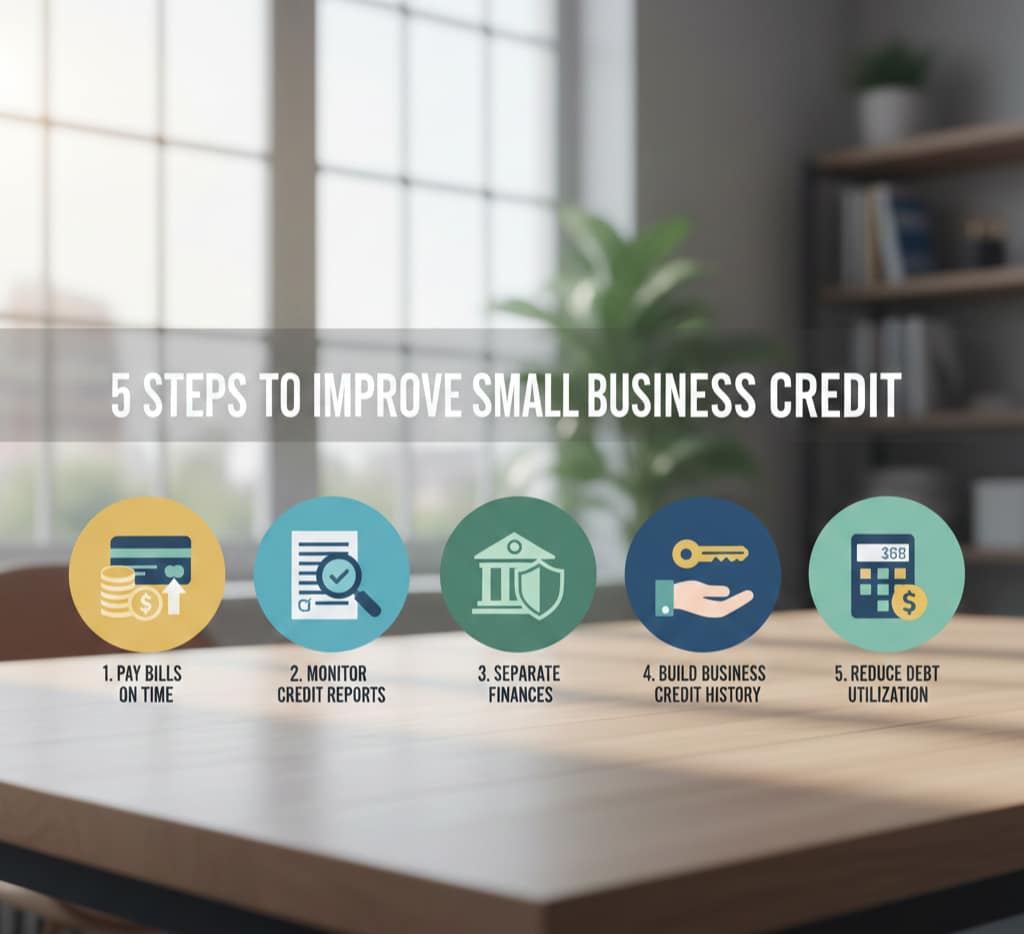
Here are five essential steps to strengthen your company’s creditworthiness and position yourself for success.
1. Establish Your Business as a Separate Legal Entity
The foundation of strong business credit begins with proper business structure. If you haven’t already, formalize your business as an LLC, corporation, or other legal entity that separates your personal and business finances.
This separation is crucial for several reasons. First, it protects your personal credit and assets from business liabilities. Second, it allows you to build a credit profile that reflects your company’s financial performance independently from your personal history. Third, most commercial lenders—including alternative financing sources—prefer working with formally structured businesses.
Start by obtaining an Employer Identification Number (EIN) from the IRS and opening a dedicated business bank account. Use your business name, address, and EIN consistently on all financial documents, credit applications, and official communications. This consistency helps credit bureaus and lenders accurately track and assess your business’s financial behavior.
For our franchise clients, this step is typically already complete, as most franchisors require formal business structures as part of their agreements.
2. Register with Business Credit Bureaus
Unlike personal credit, business credit doesn’t build automatically—you need to take proactive steps to establish your presence with the major commercial credit reporting agencies.
The three primary business credit bureaus are:
- Dun & Bradstreet (D&B)
- Experian Business
- Equifax Business
Begin by obtaining your free D-U-N-S Number from Dun & Bradstreet, which serves as your business’s unique identifier in the credit world. Then create profiles with Experian and Equifax Business.
When registering, ensure all your business information is accurate and consistent across platforms: legal business name, DBA (if applicable), physical address, phone number, industry classification, and ownership details. Inconsistent information can lead to fragmented credit files and inaccurate reporting.
Once registered, these bureaus will begin tracking your business credit activity as vendors and lenders report your payment behavior.
3. Build Trade Credit with Vendors and Suppliers
Trade credit is one of the most accessible and effective ways to establish business credit history, especially for newer companies or those looking to rebuild their credit profile.
Trade credit works simply: vendors provide goods or services with payment terms (typically net-30, net-60, or net-90 days), allowing you to use products or services before paying. When you pay according to the agreed terms—or better yet, early—these positive payment patterns get reported to the business credit bureaus.
The key is identifying vendors who actually report to credit bureaus. Start with:
- Office supply companies (Staples, Office Depot, Quill)
- Telecommunications providers
- Fuel and fleet management companies
- Industry-specific suppliers for your business type
Begin with smaller purchases to establish trust, then gradually increase your credit lines as you demonstrate reliable payment behavior. Consistent on-time payments across multiple trade accounts quickly build a positive credit history.
For franchise owners, check with your franchisor about preferred vendors who may offer both competitive pricing and credit reporting benefits.
4. Monitor Your Credit Reports and Dispute Errors
Your business credit reports directly influence lending decisions, so accuracy is essential. Unfortunately, errors are common—outdated information, incorrect payment records, or accounts that don’t belong to your business can all drag down your scores unnecessarily.
Make it a practice to review your business credit reports from all three major bureaus at least quarterly. Look for:
- Incorrect business information (wrong address, phone, ownership)
- Payment records that don’t match your actual history
- Accounts you don’t recognize
- Outdated liens or judgments that have been resolved
- Duplicate entries for the same account
If you find errors, dispute them immediately through each bureau’s official dispute process. Most offer online portals that make corrections relatively straightforward, though resolution can take 30-45 days.
Regular monitoring also helps you track improvement over time and spot potential fraud or identity theft early. Consider investing in a credit monitoring service that alerts you to significant changes or new inquiries on your business credit file.
5. Maintain Low Credit Utilization and Pay Bills on Time
Two factors dominate your business credit score calculation: payment history and credit utilization. Mastering both is essential for strong credit.
Payment History: This is the single most important factor. Pay every bill on time, every time—trade credit accounts, business credit cards, term loans, lines of credit, utilities, rent, and any other business obligations. Even one late payment can significantly damage your score and remain on your report for years.
Set up automatic payments where possible, use calendar reminders, and build internal processes to ensure nothing falls through the cracks. If cash flow makes a payment challenging, communicate with your creditor proactively—many will work with you to avoid a negative credit report.
Credit Utilization: This measures how much of your available credit you’re actually using. Lenders view high utilization (using most or all of your available credit) as a red flag indicating financial stress or poor cash flow management.
Aim to keep your credit utilization below 30% across all business credit cards and revolving credit lines, with lower being better. If you’re consistently approaching your limits, consider requesting credit line increases or distributing charges across multiple accounts to lower your overall utilization ratio.
Why Strong Business Credit Matters for Financing
At US Capital Lenders, we specialize in commercial financing solutions for businesses across all industries and stages of growth. While we work with companies across the credit spectrum—including those with challenged credit—we consistently see that businesses with stronger credit profiles enjoy:
- More financing options to choose from
- Lower interest rates that reduce the cost of capital
- Higher approval amounts that support larger projects
- Better repayment terms that align with cash flow
- Faster approval processes when time-sensitive opportunities arise
For businesses exploring franchise opportunities, solid business credit can be the difference between securing financing for your ideal franchise and having to settle for a less desirable option—or missing out entirely.
Even if you’re working with alternative lenders who consider factors beyond credit scores, a strong credit profile strengthens your overall application and demonstrates financial responsibility that lenders value.
Take Action Today
Building business credit is a marathon, not a sprint—but every positive action you take today compounds into better opportunities tomorrow. By establishing proper business structures, registering with credit bureaus, leveraging trade credit, monitoring your reports, and maintaining excellent payment habits, you’re creating a foundation for sustainable growth and reliable access to capital.
Whether you’re launching a startup, investing in a franchise, or expanding an existing business, your credit profile will play a crucial role in your ability to secure the financing you need to achieve your goals.
At US Capital Lenders, we understand that every business’s credit journey is unique. We’re here to help you navigate commercial financing options that align with your current credit situation while you work to strengthen your profile for the future.
Need financing solutions for your business? US Capital Lenders offers commercial financing for franchises, startups, and established businesses. Contact us today to explore your options and find the right capital solution for your growth plans.
